
Why Your Travel Film Doesn’t Feel Cinematic (And It’s Not Just the Colour)
COLOUR GRADING · SOUND DESIGN · EDUCATION
WHY YOUR TRAVEL FILM DOESN'T FEEL CINEMATIC (And It's Not Just the Colour)
You've graded the footage. You've chosen the music. You've spent hours in the edit. And it's still not quite there. Here's what's actually missing.
You’ve been to the places. You’ve shot the footage. You’ve loaded everything into your edit, applied a LUT, picked a track that felt right — and the result looks fine. Maybe even good. But when you watch it back, something is off. It doesn’t feel the way the films that inspired you feel. It looks like footage. Not a film.
Most filmmakers assume the problem is colour. So they grade harder. Different LUT. More contrast, less saturation. Sometimes it helps a little. Usually it doesn’t fully solve it — because colour was never the whole problem.
There are two things every travel film cinematic look depends on. Colour is one of them. Sound is the other. And most travel film editors are only working seriously on one.
The 2 Elements Every Travel Film Cinematic Look Needs
Think about the last travel film that stopped you mid-scroll. The kind where you found yourself watching the whole thing, not just the first thirty seconds. The colour was probably beautiful — but so was the world it built around you. You could almost feel the temperature of the location. There was a sense of being somewhere specific, not just watching nice footage.
That feeling is built from two things working together: a unified, polished visual grade, and a layered, immersive soundscape.
Take either one away and the film collapses. Brilliant colour over hollow audio feels disconnected. Rich, layered sound under a flat, inconsistent grade feels unpolished — like a student film with good location recording.
When both are working, the viewer stops being aware they’re watching a screen. That’s the cinematic threshold. Let’s deal with each layer directly.
Part One — The Colour Problem
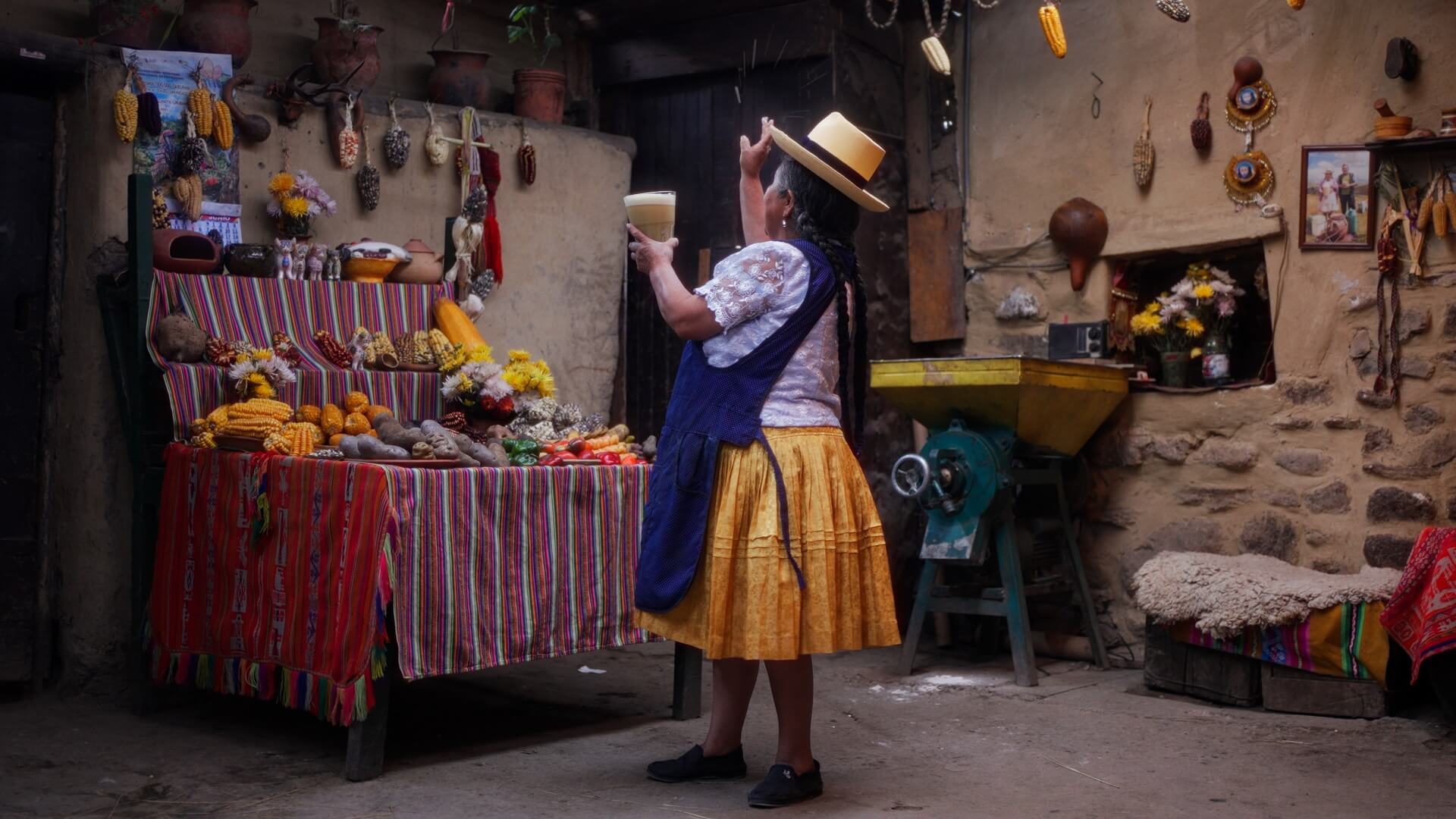
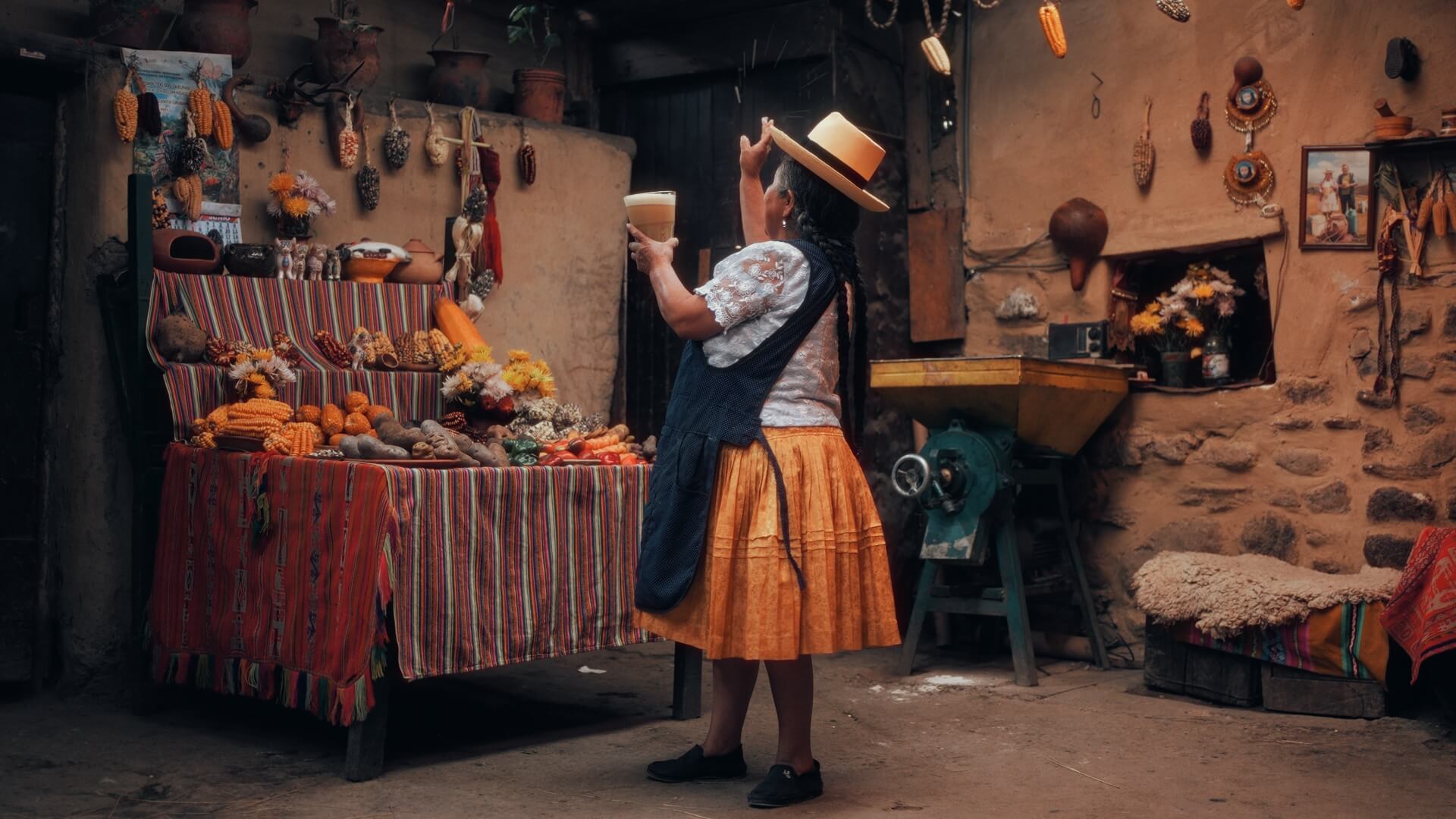
The colour problem in travel film is rarely about the grade itself. It’s about where in the workflow the grade is applied, and what kind of grade is being used.
Most editors do one of two things. They apply a heavy creative LUT as their first step and spend the rest of the edit fighting against it. Or they do careful correction work and stop there — leaving their film looking technically adequate but not cohesive.
What 'Cohesive' Actually Means
A cohesive grade doesn’t mean every shot looks the same. It means every shot belongs to the same tonal world. The shadows lean the same direction. The highlights carry the same quality. When you cut from a sunny exterior to a shaded interior, both shots feel like they came from the same film — not the same camera, but the same vision.
This is almost impossible to achieve through manual correction alone, especially when you’re cutting between multiple cameras, multiple locations, and dramatically different lighting conditions — which is every travel film ever made.
The Fix — A Finishing Layer
The solution is a finishing LUT applied as the final step in your workflow, after you’ve corrected and shaped your footage. Not a heavy creative grade that imposes a look from the top. A subtle, unifying tonal signature that brings all your corrected footage into the same visual family.
The correct order is:
- Shoot in LOG — retain your dynamic range
- Convert to Rec.709 — get to a neutral, workable baseline
- Correct your exposure, contrast, and white balance — this is your individual per-clip work
- Apply your finishing LUT — the unifying layer that makes everything cohesive
If you want the full breakdown of how finishing LUTs work and why they’re different to creative LUTs or conversion LUTs, we’ve covered it in depth here: → What Is a Finishing LUT? (And Why Every Filmmaker Needs One)
The Afterglow LUT Collection
Four finishing LUTs built for travel and documentary filmmaking — Nomadic Drift, Jungle Honey, Andean Dust, and Vapour Bloom. Designed to be applied after your correction work, on Rec.709 footage from any camera.
Part Two — The Sound Problem

Here’s what almost no one talks about in travel filmmaking tutorials: your audience doesn’t consciously notice sound when it’s done well — but they absolutely feel it. And when it’s missing, they feel that too, even if they couldn’t tell you why.
Turn the music off on any travel film that feels flat. What you’ll hear is silence, or thin location audio dropping in and out. The music is being asked to carry the entire emotional weight of the film — and it can’t do that alone. Music tells you how to feel. Atmosphere tells you where you are.
Understanding diegetic vs. non-diegetic sound — the framework professional sound designers use — is the starting point for thinking about audio the way cinematographers think about light.
What Your Audience Is Actually Hearing
In a travel film that genuinely transports you, the sound is doing something specific underneath the music. You can hear the temperature change between a sun-exposed street and a shaded alley. You can feel the scale of an open landscape in the way wind moves through the audio bed. A market sequence has texture — distant voices, movement, something bubbling in the background — even with music playing over the top.
None of that happens by accident. It’s built, layer by layer.
The Three Layers of Travel Film Sound
Layer 1 — Location audio
Your on-camera audio and any dedicated field recordings from the shoot. Raw material, often inconsistent. Use what works. Cut around what doesn’t.
Layer 2 — Ambient atmosphere
The layer most editors skip — and the one that makes the biggest difference. A continuous audio bed that establishes the sonic character of a place. Not generic “outdoor ambience.” The difference between a recording actually made in the Mongolian steppe and a library sound labelled “wind, exterior” is the difference between a place and a placeholder. This layer sits quietly under your music across entire sequences. The viewer won’t register it consciously. But remove it and the film immediately feels thinner.
Layer 3 — Spot effects and design
Specific sounds that punctuate moments — a door, a footstep, water, an engine. Used sparingly, they add physicality. A cut to a motorbike lands differently when you can briefly hear the engine before the music swallows it back. Use whooshes and hits to help accentuate movement and motion within the scene and even help to subconsciously hide cuts and transitions.

Why the Source Material Matters
Generic sound libraries give you adequate. They offer recognisable categories — “rain,” “forest,” “street” — that approximate real locations without inhabiting them. They work. They don’t transport.
The sounds that move people in travel films are specific. They carry the character of a real place at a particular time of day, in a particular season. A desert at dawn sounds nothing like a desert at midday. A jungle in the dry season sounds nothing like a jungle after rain. That specificity is what makes a location feel inhabited rather than referenced.
When sound has it, the audio stops filling silence and starts building the world your visuals are trying to create.
Visual Tone Sound
Location atmosphere, ambient soundscapes, and cinematic sound effects — recorded in the field on the same trips that informed our LUT collections. The colour and the sound were captured by the same eye, in the same place, at the same time. Built for editors who want to give their footage a sense of place, not just a soundtrack.
How Colour and Sound Work Together

The reason colour and sound reinforce each other isn’t mystical. They’re both communicating the same things: temperature, texture, energy, scale.
A warm amber grade over a golden hour landscape already suggests heat, light, and open space. Lay a dry wind and the particular quiet of an open plain underneath, and the viewer’s brain receives two consistent signals at once. That’s immersion — being in a place rather than watching it.
The inverse breaks the spell. A cool, misty grade over mountain footage paired with ambient atmosphere that’s too warm or too busy creates dissonance the viewer can’t name but immediately feels. The film doesn’t hold together.
This is why the strongest workflow treats colour and sound as two sides of the same creative decision — built in parallel toward the same felt experience, not finished sequentially.
The Workflow, Combined

Most tutorial channels never show this workflow in full because they specialise in one lane. Colour channels cover colour. Music platforms cover music. Almost nobody is consistently talking about the ambient layer underneath both.
Build the colour. Build the soundscape. Finish both with the same intention. The gap between your current films and the ones that inspired you lives somewhere in that combination.
Frequently Asked Questions
What is ambient sound in a travel film?
Ambient sound — sometimes called atmosphere or room tone — is a continuous audio bed that establishes the sonic character of a location. Unlike music (which tells you how to feel) or spot effects (which punctuate specific moments), ambient sound tells you where you are. It runs quietly under your other audio layers, creating the sense that the world in your film actually exists.
Do I need to record my own ambient sound on location?
It helps, but it’s not always practical. When you’re moving between locations quickly, ambient recording gets deprioritised. High-quality location sound packs — specifically ones recorded in real environments rather than synthesised or approximated — are what most professional travel film editors use to fill gaps. The key is specificity: avoid generic library sounds in favour of recordings that carry the character of a real, specific place.
How loud should ambient sound be in my edit?
Generally, ambient atmosphere should sit 10–15dB below your music level, just audible enough that removing it would make the film feel noticeably thinner. If your viewer consciously notices the ambient sound, it’s too loud. If removing it makes no difference, it’s too quiet or the wrong sound. You’re aiming for felt, not heard.
What’s the difference between sound design and just adding music to my film?
Music controls the emotional experience — tempo, feeling, arc. Sound design controls the physical world your film exists in. Music without sound design gives you emotion without a place. Sound design without music gives you atmosphere without direction. Professional travel films use both: music to lead the viewer emotionally, and sound design to make the world feel real underneath it.
Related Reading
→ What Is a Finishing LUT? (And Why Every Filmmaker Needs One)
The complete guide to the final step in your colour workflow.
→ Solved: Fix Premiere Pro Washed Out Colour Export Settings
Step-by-step fix for the most common export problem in Premiere Pro.